



What Is a Morgan Silver Dollar? History, Key Dates, Values, and Collecting Guide
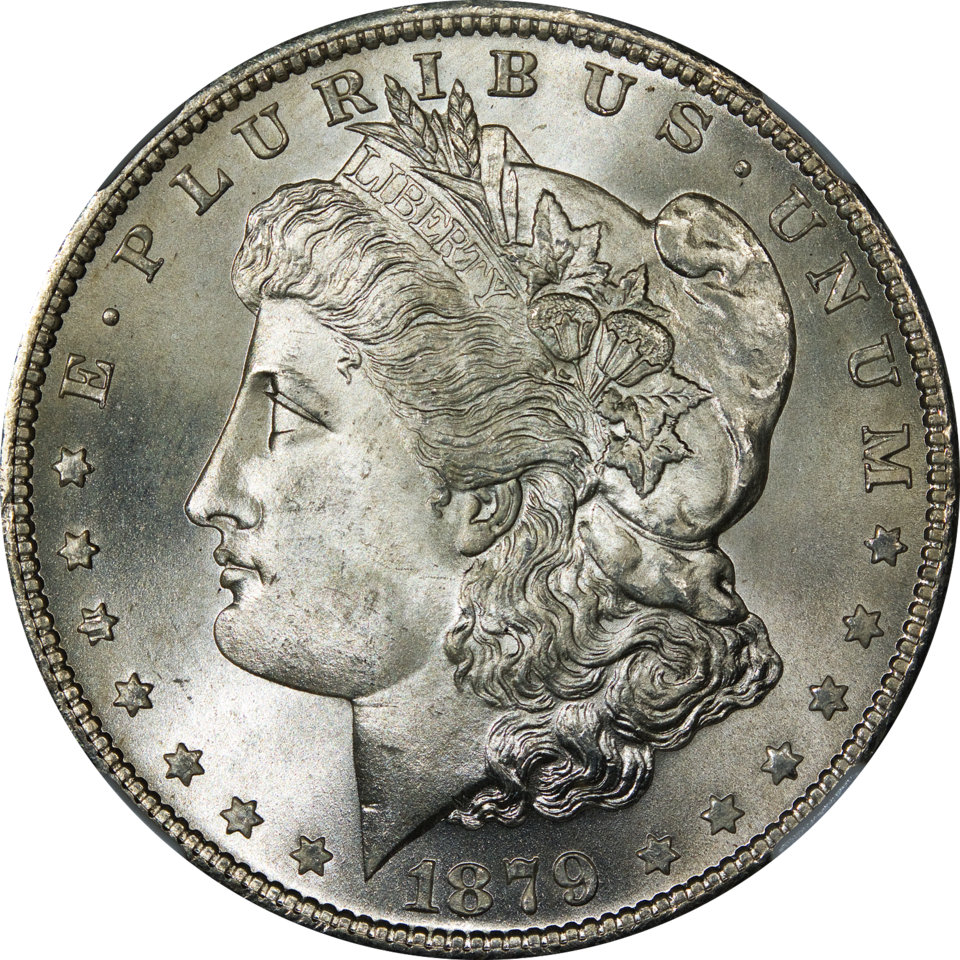
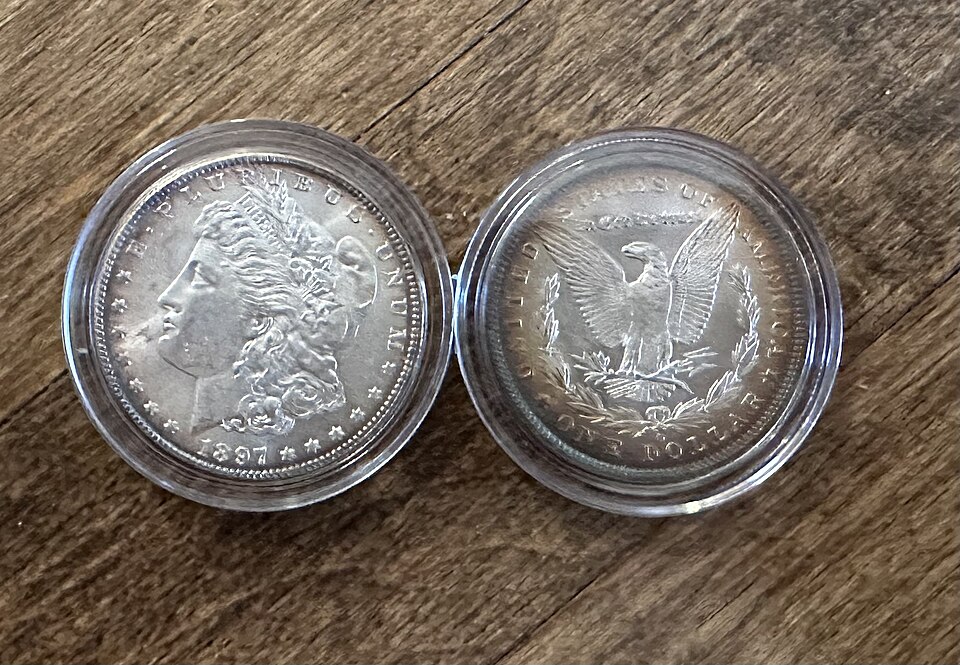
The Morgan Silver Dollar is arguably the most collected, most studied, and most beloved coin in American numismatic history. Minted from 1878 to 1904 and again in 1921, the Morgan Dollar contains 0.7734 troy ounces of pure silver in a 90% silver, 10% copper alloy. Its hefty 26.73-gram weight, striking Lady Liberty design, and deep connections to the Wild West, the Comstock Lode, and the transformation of the American economy make it far more than just a silver coin — it is a tangible piece of American history.
Whether you are a beginning collector, a silver stacker looking to add numismatic value to your holdings, or an investor evaluating Morgan Dollars as an asset class, this guide covers everything you need to know — from the coin's origins to current market values, key dates, grading basics, and where to buy.
For current silver market conditions, check the live silver spot price. Browse our full silver collection for available inventory.
The History Behind the Morgan Dollar
The Morgan Dollar was born out of politics, economics, and a massive silver discovery. In 1859, the Comstock Lode in Nevada yielded one of the richest silver strikes in history. By the 1870s, western mining interests were pressuring Congress to mandate government purchases of silver to support the metal's price and keep mines profitable.
The result was the Bland-Allison Act of 1878, which required the U.S. Treasury to buy between $2 million and $4 million worth of silver each month and coin it into silver dollars. The U.S. Mint needed a new design for this massive production run, and British-born engraver George T. Morgan won the commission.
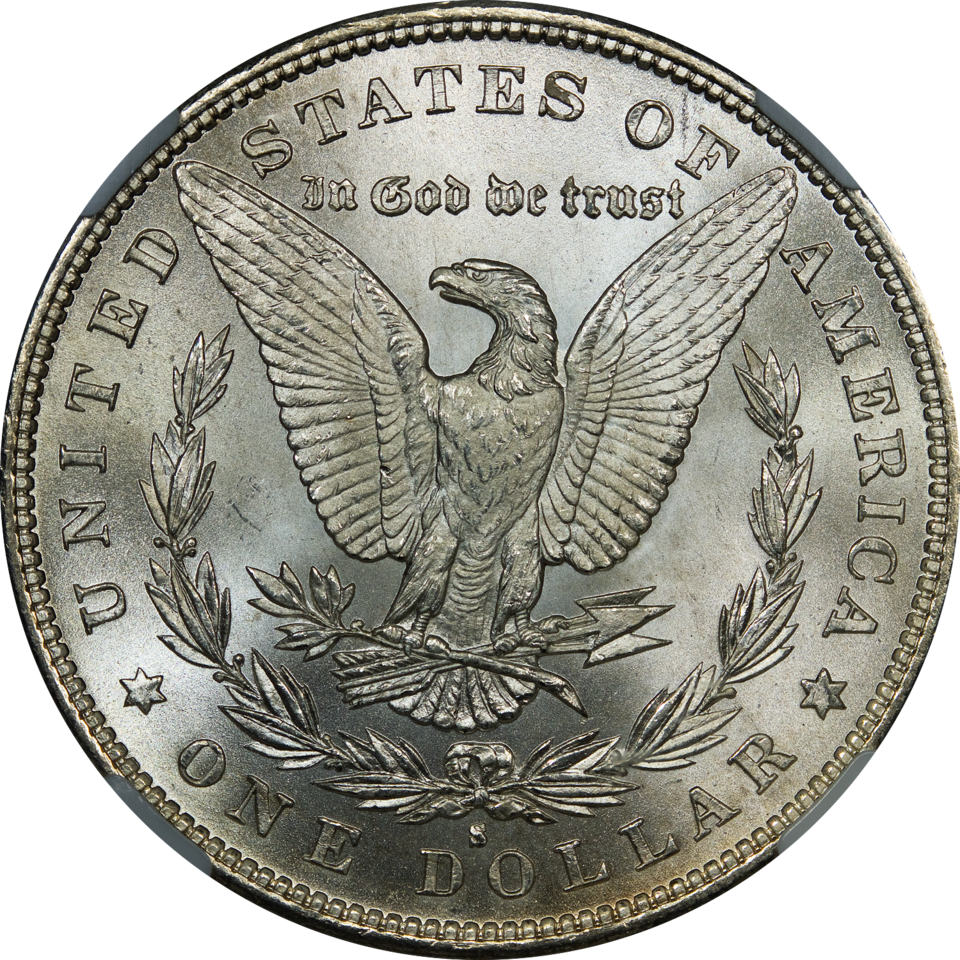
Morgan's design featured a left-facing portrait of Lady Liberty on the obverse, modeled after Philadelphia schoolteacher Anna Willess Williams, whose classical profile Morgan considered ideal. The reverse depicted a heraldic eagle with outstretched wings clutching arrows and an olive branch, surrounded by a wreath. The design was immediately praised for its beauty and bold relief.
Production continued at a staggering pace through the Bland-Allison Act and its successor, the Sherman Silver Purchase Act of 1890, until Congress repealed mandatory silver purchases in 1893 amid economic crisis. Mintage continued through 1904 using remaining silver stocks, then halted. A final run of Morgan Dollars was struck in 1921 using the Pittman Act's recoined silver before the design was replaced by the Peace Dollar later that year.
In 2021, the U.S. Mint produced a commemorative reissue of the Morgan Dollar to mark its 100th anniversary, generating enormous collector excitement.
Design and Specifications
| Specification | Detail |
|---|---|
| Composition | 90% silver, 10% copper |
| Total Weight | 26.73 grams (0.8594 troy oz total) |
| Silver Content | 0.7734 troy oz pure silver |
| Diameter | 38.1 mm |
| Thickness | 2.4 mm |
| Edge | Reeded |
| Designer | George T. Morgan |
| Obverse | Lady Liberty (modeled after Anna W. Williams) |
| Reverse | Heraldic eagle with wreath |
| Mint Marks | P (none), CC, S, O, D (1921 only) |
| Years Minted | 1878–1904, 1921 |
The Morgan Dollar's 38.1 mm diameter makes it one of the largest regular-issue U.S. coins ever produced. The substantial silver content means that even heavily circulated examples have a baseline melt value tied to the silver spot price — currently around $25 or more per coin depending on the day. For more on how melt value works, see our purity and fineness guide.
Mint Marks and Where They Were Made
Morgan Dollars were produced at five U.S. Mint facilities. The mint mark appears on the reverse, just above the "DO" in "DOLLAR" and below the wreath bow:
- No mint mark — Philadelphia: The main production facility. Philadelphia-minted Morgans are common in most years but include some major rarities.
- CC — Carson City, Nevada: The most coveted mint mark among collectors. Carson City was a small frontier mint that operated from 1870 to 1893, and its relatively low production numbers make CC Morgans significantly more valuable. Even common-date CC Morgans trade at premiums of $100 or more over equivalent Philadelphia issues.
- S — San Francisco: Produced Morgans from 1878 to 1904 and again in 1921. San Francisco coins are often well-struck with strong details, and certain dates are quite rare.
- O — New Orleans: The New Orleans Mint produced Morgans from 1879 to 1904. Many O-mint coins have a softer strike than other facilities, which affects eye appeal and grading.
- D — Denver: Only produced Morgan Dollars in 1921, the final year of the series. Denver 1921 Morgans are very common.
Key Dates and Their Values
Certain Morgan Dollar dates and mint marks are significantly rarer than others, commanding prices that range from hundreds to hundreds of thousands of dollars. Here are the most important key dates every collector should know:
| Date/Mint | Mintage | VG-8 Value | EF-40 Value | MS-63 Value | Why It Matters |
|---|---|---|---|---|---|
| 1893-S | 100,000 | $6,500+ | $12,000+ | $60,000+ | King of Morgans — lowest mintage regular issue |
| 1889-CC | 350,000 | $2,500+ | $8,000+ | $40,000+ | Low-mintage Carson City rarity |
| 1879-CC | 756,000 | $400+ | $1,200+ | $10,000+ | Early Carson City date, low survival rate |
| 1884-S | 3,200,000 | $40+ | $350+ | $12,000+ | Common in low grades, extremely rare in Mint State |
| 1893-O | 300,000 | $400+ | $1,500+ | $25,000+ | Low New Orleans mintage |
| 1895 (Proof only) | 880 proofs | N/A | N/A | $50,000+ | No business strikes — "King of Morgan Proofs" |
| 1878-CC | 2,212,000 | $200+ | $400+ | $1,500+ | First-year Carson City Morgan |
| 1881-CC | 296,000 | $400+ | $500+ | $800+ | Low mintage but many survived in Treasury bags |
Values are approximate based on current market data and subject to change. Professional grading by PCGS or NGC significantly affects price.
How Morgan Dollars Are Graded
The condition (grade) of a Morgan Dollar has an enormous impact on its value. Grading follows the Sheldon Scale from 1 to 70, with key thresholds that collectors focus on:
- AG-3 (About Good): Heavily worn, major features barely visible. Worth melt value plus a small premium for most dates.
- VG-8 (Very Good): Major design elements clear but with significant wear. Readable date, mint mark, and "LIBERTY" on headband.
- EF-40 (Extremely Fine): Light wear on high points only. Most original detail visible. A popular collector grade that balances eye appeal with affordability.
- MS-60 to MS-63 (Mint State): No wear from circulation, but may have bag marks, contact marks, or weak strike areas. This range is where most "uncirculated" Morgans trade.
- MS-65 (Gem Mint State): Strong luster, minimal marks, excellent eye appeal. A significant premium jump from MS-63.
- MS-67+ (Superb Gem): Near-perfect coins that are exceptionally rare for most dates. Prices can be astronomical.
Professional grading by PCGS or NGC is essential for any Morgan Dollar worth more than $100, as the difference between one grade point can be hundreds or thousands of dollars. For collectors of junk silver and circulated silver coins, ungraded Morgans at or near melt value can be excellent additions to a silver stack.
Morgan Dollars as an Investment
Morgan Dollars offer a unique hybrid of silver bullion value and numismatic premium. Even the most common dates in circulated condition carry a premium above their raw silver melt value because of collector demand, historical significance, and the coin's iconic status.
For investors, this means Morgan Dollars can appreciate in two ways simultaneously: through rising silver spot prices and through increasing collector demand for specific dates, mint marks, and grades. This dual appreciation potential is not available with modern bullion coins like American Silver Eagles or silver rounds, which trade almost entirely on silver content.
The trade-off is that Morgan Dollars carry higher premiums over melt than bullion products. If your goal is maximum silver per dollar, modern bullion is more efficient. If you want silver exposure combined with historical collectibility and potential numismatic upside, Morgans are hard to beat.
How to Start Collecting Morgan Dollars
- Start with common dates in VG or EF condition. You can acquire attractive examples of dates like 1881-S, 1882-S, 1884-O, and 1885-O for $40–$80 each. These coins have strong detail and are affordable enough to build a meaningful collection.
- Focus on one mint mark. Many collectors specialize in Carson City (CC) Morgans because of their frontier history and relatively scarce production. Others build complete Philadelphia sets or focus on San Francisco strikes.
- Buy the best grade you can afford for each date. It is better to own one EF-40 example than three AG-3 examples of the same date.
- Verify authenticity. Morgan Dollars are among the most counterfeited U.S. coins. Buy from reputable dealers who guarantee authenticity, or buy PCGS/NGC-graded coins in tamper-evident holders. Read our precious metals scam prevention guide for more tips.
- Use a reference guide. The Guide Book of Morgan Silver Dollars by Q. David Bowers is the standard reference. It covers every date and mint mark in detail, including die varieties, population data, and pricing history.
Frequently Asked Questions
How much is a Morgan Silver Dollar worth?
Common-date Morgan Dollars in circulated condition typically sell for $35–$60, which includes both the silver melt value and a collector premium. Key dates, high-grade examples, and Carson City mint marks can be worth hundreds to tens of thousands of dollars. Check the current silver spot price for baseline melt value.
Are all Morgan Dollars made of real silver?
Yes. Every genuine Morgan Dollar is struck from an alloy of 90% silver and 10% copper, containing 0.7734 troy ounces of pure silver. Be aware that counterfeits exist — always buy from trusted sources.
What is the most valuable Morgan Dollar?
The 1893-S Morgan Dollar is the rarest and most valuable regular-issue date, with values starting around $6,500 in low grades and exceeding $100,000 in Mint State. The 1895 Proof-only issue is the rarest overall, with fewer than 900 coins struck.
Should I clean my Morgan Silver Dollar?
Never clean a Morgan Dollar. Cleaning removes the natural patina (toning), creates microscopic scratches visible under magnification, and can reduce a coin's value by 50% or more. Professional grading services will note a cleaned coin, and most serious collectors avoid them.
Can I put Morgan Dollars in an IRA?
Pre-1965 90% silver coins like Morgan Dollars are not eligible for precious metals IRAs because they do not meet the minimum .999 fineness requirement for silver. For IRA-eligible silver options, see our IRA-eligible silver guide or explore Silver IRA setup.
Explore Morgan Dollars and more. Browse our silver collection for available inventory, check the live silver price, and join VIP for member-exclusive pricing on every order.