



Silver ETFs vs Physical Silver: Fees, Risks, Taxes, and Why Tangible Metal May Be the Better Choice
If you want silver exposure in your portfolio, you have two fundamentally different paths: buy a silver ETF (exchange-traded fund) like iShares Silver Trust (SLV) or Aberdeen Standard Physical Silver Shares (SIVR), or buy physical silver — coins, bars, and rounds that you hold in your possession or in a secure depository. Both track the silver price, but the similarities end there.
The differences in ownership structure, fee drag, counterparty risk, tax treatment, and crisis performance mean that these two options serve very different purposes in a portfolio. Choosing wrong can cost you in ways that are not obvious until the moment it matters most. This guide breaks down every factor so you can make an informed decision based on data rather than marketing.
For real-time pricing, check the live silver spot price. To see current premiums on physical products, browse our silver collection.
How Silver ETFs Work
A silver ETF is a fund that holds physical silver in a vault and issues shares representing fractional ownership of that silver. When you buy shares of SLV on the stock exchange, you own a claim on silver held in JPMorgan Chase's London vault. The fund charges an annual expense ratio that gradually reduces the amount of silver each share represents.
Key facts about the most popular silver ETFs:
| ETF | Ticker | Expense Ratio | Silver Backing | Custodian | AUM (approx.) |
|---|---|---|---|---|---|
| iShares Silver Trust | SLV | 0.50% | Physical bars in vault | JPMorgan Chase | $14B+ |
| Aberdeen Physical Silver | SIVR | 0.30% | Physical bars in vault | JPMorgan Chase | $1.5B+ |
| Sprott Physical Silver | PSLV | 0.62% | Physical bars, redeemable | Royal Canadian Mint | $4B+ |
Important: when you own SLV or SIVR shares, you do not have a direct claim on specific silver bars. You own shares of a trust. The trust's prospectus explicitly states that shareholders have no right to request delivery of the underlying silver (with the exception of Sprott's PSLV, which offers redemption for large unit holders).
How Physical Silver Works
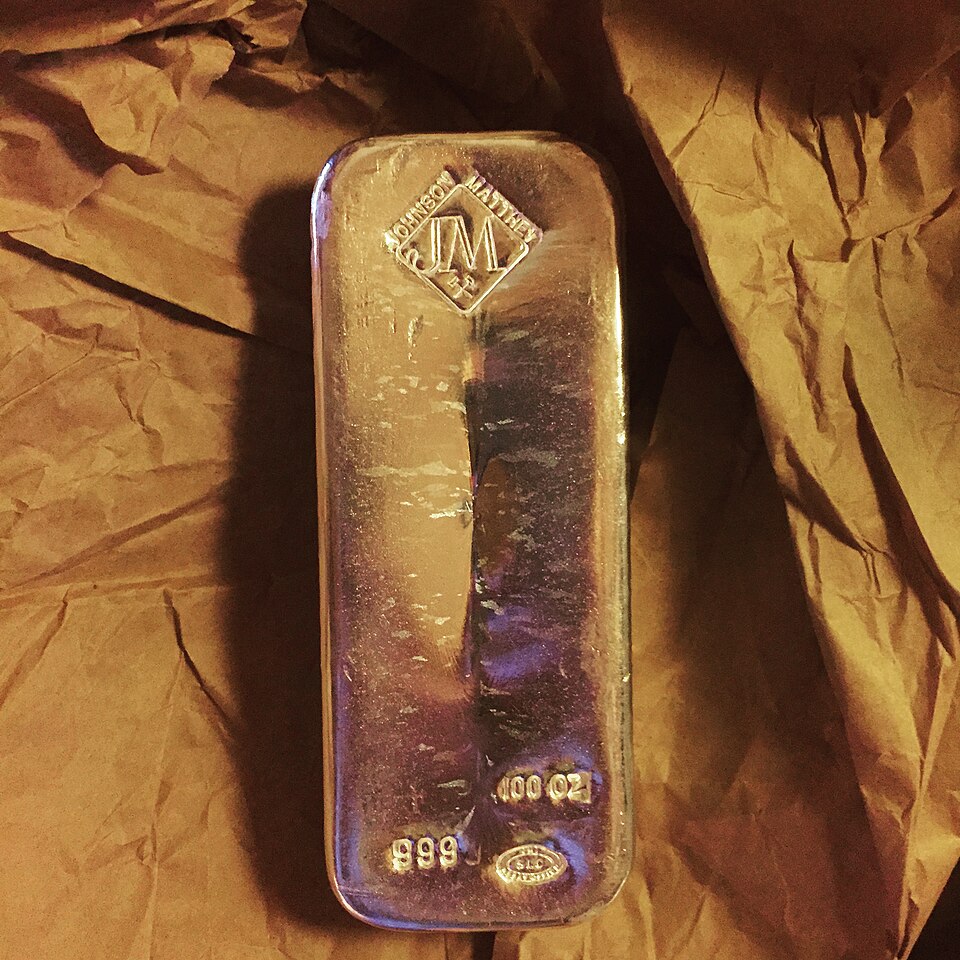
When you buy physical silver — an American Silver Eagle, a 10 oz bar, or a tube of silver rounds — you own the actual metal. It goes into your safe, your bank vault, or a professional depository of your choosing. You can hold it, transport it, sell it to any dealer in the world, or pass it to your heirs without involving any financial institution.
Physical silver has a one-time acquisition cost (the premium over spot) and optional ongoing costs (storage and insurance if you use a vault). There is no annual fee that erodes your holdings. A 100 oz silver bar purchased in 2016 still contains exactly 100 oz of silver in 2026. The same dollar amount invested in SLV would now represent approximately 5% less silver due to the cumulative expense ratio.
Complete Side-by-Side Comparison
| Factor | Physical Silver | Silver ETF (SLV/SIVR) |
|---|---|---|
| Ownership | You own silver directly | You own shares of a trust |
| Counterparty risk | None | Trust, custodian, exchange, broker |
| Annual fees | None (optional storage cost) | 0.30% – 0.62% per year |
| Premium/spread | 5% – 15% over spot (one-time) | ~0.5% bid-ask spread |
| 10-year fee drag | $0 | 3% – 6% of value lost to fees |
| Redemption for metal | Already have the metal | Not available (SLV/SIVR); PSLV allows large redemptions |
| Tax treatment (LTCG) | 28% max (collectibles) | 28% max (SLV is also classified as collectibles) |
| IRA eligible | Yes (approved coins/bars in SDIRA) | Yes (standard brokerage IRA) |
| Liquidity | High (global dealer market) | Very high (stock exchange) |
| Divisibility | Available in 1 oz to 1000 oz | Any dollar amount |
| Privacy | Higher (private sales possible) | Lower (brokerage reports all activity) |
| Can be seized remotely | No | Yes (account freeze, regulatory action) |
| Survives system failure | Yes | No |
The Hidden Cost of ETF Fees
The expense ratios on silver ETFs look small — 0.30% to 0.62% per year — but they compound relentlessly. Here is what the fee drag looks like over longer holding periods for a $10,000 initial investment:
| Holding Period | SLV (0.50% fee) | SIVR (0.30% fee) | Physical Silver (0% fee) |
|---|---|---|---|
| 1 year | $50 lost | $30 lost | $0 |
| 5 years | $247 lost | $149 lost | $0 |
| 10 years | $488 lost | $296 lost | $0 |
| 20 years | $952 lost | $583 lost | $0 |
Assumes flat silver price for fee isolation. In reality, fees are deducted from a moving asset value, so the dollar impact scales with price appreciation.
Over 20 years, SLV's fee drag consumes nearly 10% of your original investment — before any price movement. Physical silver's one-time premium of 5–10% is paid upfront and never increases. For buy-and-hold investors with a horizon of five years or longer, physical silver's cost structure is clearly superior.
Counterparty Risk: The Invisible Danger
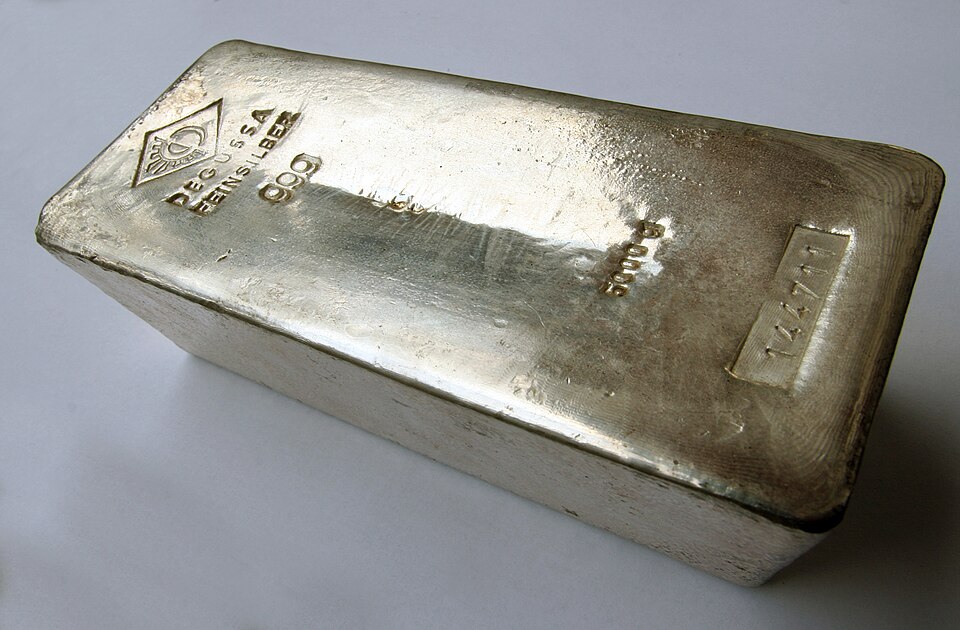
When you own SLV, a chain of counterparties stands between you and "your" silver:
- Your brokerage holds your shares in a street-name account.
- The Depository Trust Company (DTC) is the registered owner of most ETF shares.
- BlackRock (iShares) manages the trust.
- JPMorgan Chase acts as the custodian of the physical silver.
- Sub-custodians may hold some of the silver in other vaults.
If any link in this chain fails — brokerage bankruptcy, custodian fraud, regulatory freeze, exchange closure — your access to the silver is interrupted or lost. The SLV prospectus itself warns: "The Trust may suffer a loss that it might not have otherwise incurred if the Custodian's internal controls fail to detect, prevent or timely address theft, fraud or unauthorized access."
Physical silver in your safe has zero counterparty risk. It does not depend on any institution remaining solvent or any technology platform staying online. For the full analysis of paper vs physical ownership, see our guides on ETFs vs physical bullion and why buy physical metals.
Tax Treatment: A Draw
Unlike gold mining stocks, which qualify for the lower 15–20% capital gains rate, both silver ETFs and physical silver are taxed at the 28% collectibles rate for long-term capital gains. The IRS treats SLV and SIVR as ownership of a collectible (silver), not as ownership of a stock. This means there is no tax advantage to choosing an ETF over physical silver — the rates are identical.
The one exception is holding either within an IRA. A standard brokerage IRA can hold SLV, and a self-directed IRA can hold IRA-eligible physical silver. In either case, gains are tax-deferred (traditional IRA) or tax-free (Roth IRA). See our Silver IRA setup guide and IRA tax rules.
When Silver ETFs Make Sense
Silver ETFs are not categorically bad. They serve specific use cases well:
- Short-term trading: If you are trading silver's price swings over days or weeks, the ETF's low bid-ask spread and instant execution are advantages over physical.
- Very small allocations: If you want $500 of silver exposure and do not want to store physical metal, an ETF is a convenient wrapper.
- Tactical positions: For temporary silver exposure alongside an existing physical position, ETFs offer flexibility without the logistics of buying and selling metal.
- Margin and options access: ETFs can be bought on margin and have active options chains for hedging or speculation.
When Physical Silver Is Better
- Long-term holding (5+ years): The one-time premium is cheaper than years of compounding ETF fees.
- Wealth preservation: Real metal cannot be frozen, hacked, or diluted.
- Crisis insurance: During systemic financial crises, physical silver maintains value when institutions fail.
- Privacy: Physical silver transactions offer more privacy than brokerage accounts.
- Generational transfer: Silver bars and coins can be handed directly to heirs with no accounts to close or institutions to notify.
- Barter and emergency use: Physical silver is accepted worldwide in any scenario. ETF shares require a functioning financial system.
For guidance on the best physical silver products, see our guides on silver coins vs bars, best silver bars, and silver stacking strategy.
Making the Switch: ETF to Physical
If you currently hold silver ETFs and want to transition to physical silver, here is a practical approach:
- Calculate your current position. Multiply your shares by the current share price to determine your total silver exposure. For SLV, each share represents approximately 0.92 oz of silver (and declining due to fees).
- Sell the ETF. Execute the sale through your brokerage. Note: this may trigger a taxable event if you have gains.
- Choose your physical products. Use the proceeds to buy American Silver Eagles, silver bars, or silver rounds based on your budget and goals.
- Arrange storage. Home safe, bank vault, or professional depository. See our storage options guide.
- Consider an IRA rollover. If your ETF is in an IRA, you may be able to roll it into a self-directed Silver IRA holding physical metal without a taxable event.
Frequently Asked Questions
Is SLV the same as owning physical silver?
No. SLV gives you exposure to the silver price, but you do not own silver directly. You own shares of a trust that holds silver in a bank vault. You cannot request delivery of the metal, and multiple counterparties stand between you and the silver.
What are the fees on silver ETFs?
Annual expense ratios range from 0.30% (SIVR) to 0.62% (PSLV). SLV charges 0.50%. These fees are deducted daily from the fund's silver holdings, gradually reducing the amount of silver each share represents. Over 10 years, SLV's fees consume approximately 5% of your investment.
Is physical silver taxed differently than SLV?
No. Both are classified as collectibles by the IRS and taxed at a maximum federal long-term capital gains rate of 28%. There is no tax advantage to choosing one over the other in a taxable account. Within an IRA, both can grow tax-deferred or tax-free.
What is the cheapest way to buy physical silver?
The lowest premiums over spot are typically found on 10 oz and 100 oz silver bars, followed by silver rounds, and then government-minted coins like American Silver Eagles. For bulk buying strategies, see our 100 oz vs 1 oz silver guide.
Can I convert my SLV shares to physical silver?
SLV does not allow individual investors to redeem shares for physical silver. Only "Authorized Participants" (large financial institutions) can create or redeem share baskets. Sprott's PSLV offers physical redemption for investors holding large unit blocks. For most investors, the practical path is to sell the ETF and purchase physical silver separately.
Own real silver, not a paper promise. Browse our silver coins, bars, and rounds, check the live silver spot price, and start building your physical silver position today. VIP members get the lowest premiums on every order.