



How to Sell American Eagle Gold Coins: Get the Best Price in 2026
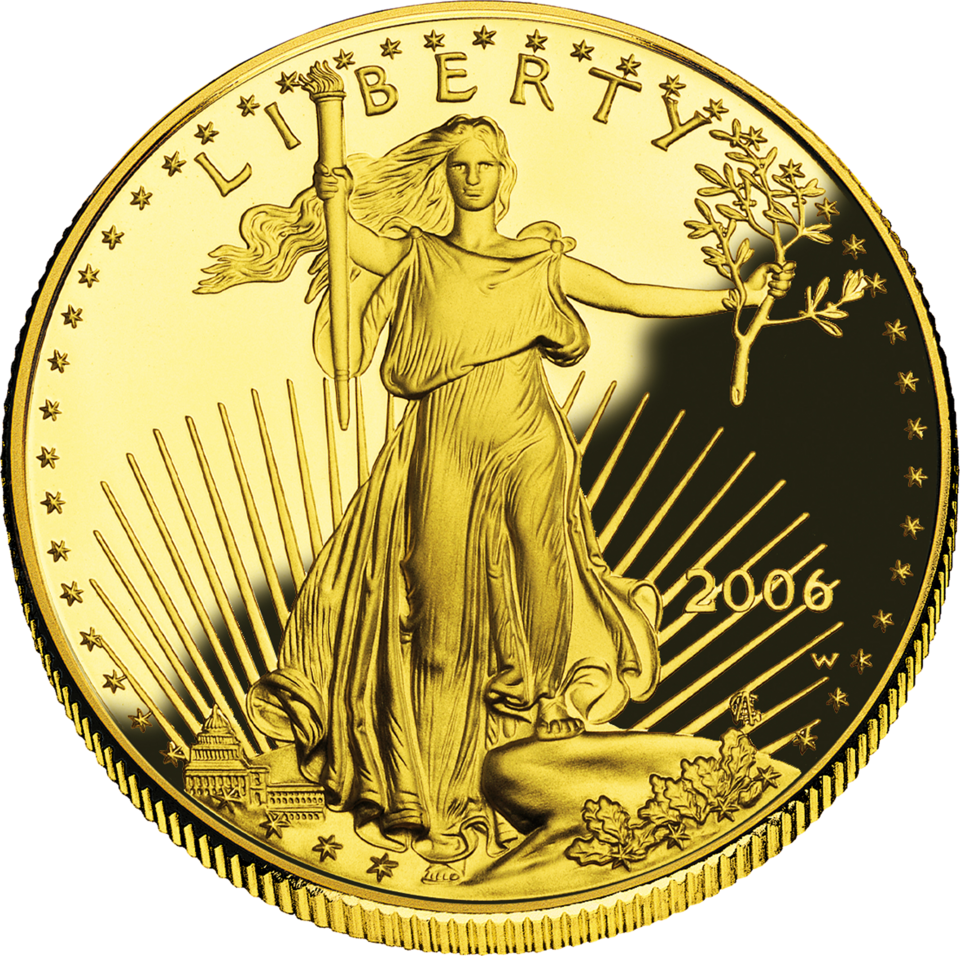
The American Gold Eagle is one of the most liquid and widely recognized gold coins in the world, which means selling one should be straightforward — but the price you receive can vary dramatically depending on where and how you sell. The difference between a dealer offering 95% of spot and one paying 98% of spot on a single 1 oz coin is roughly $150 at current gold prices. Multiply that across several coins and the stakes climb quickly.
This guide walks you through every step of selling American Gold Eagles — from assessing what your coins are worth to choosing the best selling channel, preparing your coins properly, understanding tax obligations, and negotiating the highest payout. If you are also considering buying replacements, check the live gold spot price and browse our gold inventory before you sell.
What Makes American Gold Eagles Valuable
Before you sell, it helps to understand exactly what drives the value of your coins. American Gold Eagles carry three layers of value:
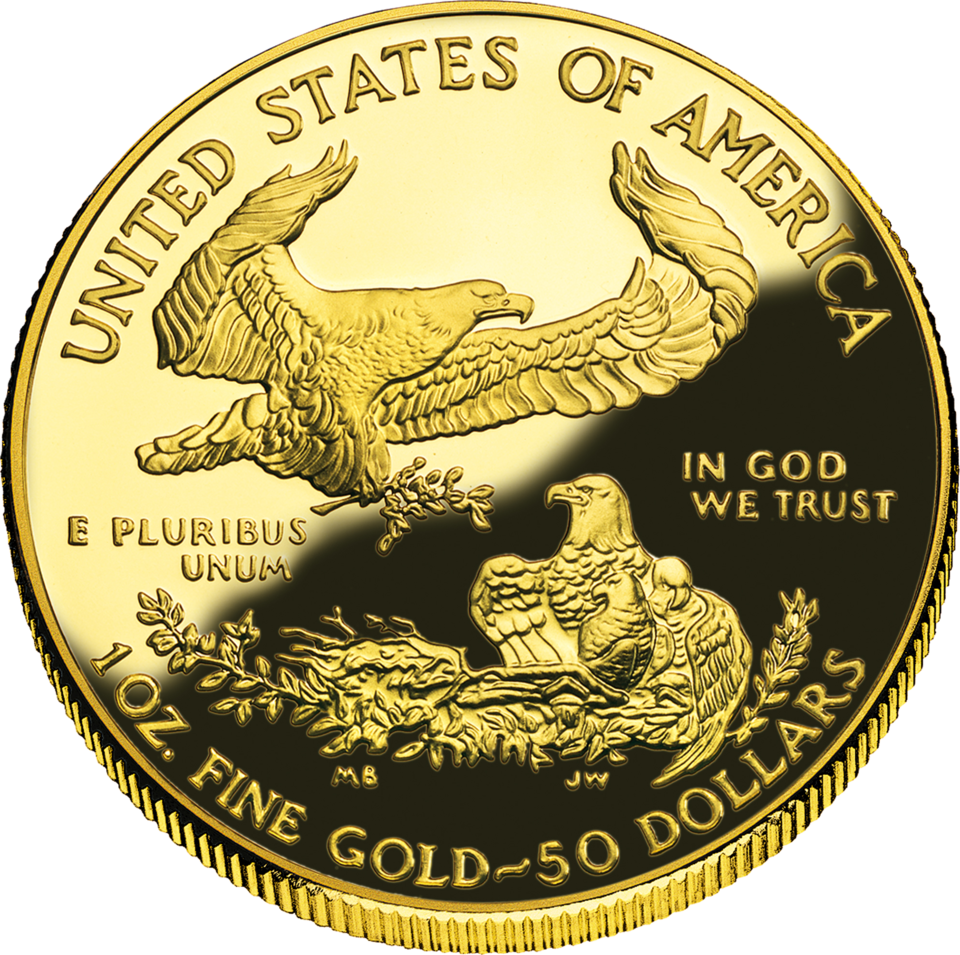
- Gold content (melt value): Each 1 oz American Gold Eagle contains exactly 1 troy ounce of pure gold (31.1035 grams) in a 22-karat alloy with copper and silver for durability. The melt value tracks the spot price of gold and represents the floor price for your coin.
- Premium value: American Gold Eagles command a premium above melt value because of their government-backed authenticity, legal tender status ($50 face value), and worldwide recognition. When you sell, a good dealer will pay you a portion of this premium back — not just melt.
- Numismatic value: Certain dates, mint marks, low-mintage years, and high-grade examples command prices well above the standard bullion premium. Proof editions, First Strike designations, and coins graded MS-70 or PF-70 by NGC or PCGS can be worth significantly more.
American Gold Eagle Specifications
| Size | Gold Content | Total Weight | Face Value | Diameter |
|---|---|---|---|---|
| 1 oz | 1.0000 oz | 33.93 g | $50 | 32.70 mm |
| 1/2 oz | 0.5000 oz | 16.97 g | $25 | 27.00 mm |
| 1/4 oz | 0.2500 oz | 8.48 g | $10 | 22.00 mm |
| 1/10 oz | 0.1000 oz | 3.39 g | $5 | 16.50 mm |
Step 1: Determine What Your Coins Are Worth
Start by checking the current gold spot price to establish a baseline. Then consider these factors:
- Condition: Coins stored in original U.S. Mint tubes or capsules with no visible scratches will command higher buyback prices than loose, handled coins. Coins with significant wear, rim dings, or fingerprint residue may only fetch melt value.
- Year and mintage: Most modern American Gold Eagles (1986–present) trade as standard bullion, but certain years have lower mintages that collectors pay premiums for. The 1991 1 oz Eagle, for example, had a mintage of only 243,100 — one of the lowest in the series.
- Type: Standard bullion strikes are the most common. Proof Eagles, issued with a "W" mint mark from West Point, carry higher premiums. The Type 2 design introduced in 2021 with an updated reverse also generates collector interest.
- Grading: If your coin has been professionally graded by PCGS or NGC as MS-69 or MS-70, its value can be substantially higher than a raw (ungraded) coin.
For a broader understanding of how premiums work in the gold market, see our guide on gold premiums explained.
Step 2: Choose Where to Sell
The selling channel you choose has the single biggest impact on the price you receive. Here is a honest comparison of the major options:
| Selling Channel | Typical Payout | Speed | Effort | Risk |
|---|---|---|---|---|
| Online dealer (buyback program) | 96% – 99% of spot | 3 – 7 days | Low | Low |
| Local coin shop | 90% – 97% of spot | Same day | Medium | Low |
| eBay / online marketplace | 97% – 103% of spot | 7 – 14 days | High | Medium |
| Private sale (Craigslist, forums) | 95% – 100% of spot | Variable | High | High |
| Pawn shop | 70% – 85% of spot | Same day | Low | Low |
| "We Buy Gold" storefront | 60% – 80% of spot | Same day | Low | Low |
Online Dealer Buyback Programs
Reputable online precious metals dealers typically offer the strongest combination of high payout and low hassle. The process works like this: you lock in a price over the phone or online, ship your coins via insured mail, and receive payment after the dealer verifies the shipment. Buyback prices at established dealers generally range from 96% to 99% of the current spot price, and many pay above spot for coins in original mint packaging.
MintBuilder's buyback program offers competitive pricing with transparent quotes. To understand what questions to ask any dealer before selling, review our gold buyback checklist.
Local Coin Shops
Selling to a local coin shop gives you cash the same day, which is valuable if you need liquidity immediately. The trade-off is that local shops typically offer lower prices than online dealers because they have higher overhead costs and less competition. Always get quotes from at least three shops before committing, and never accept the first offer without negotiation.
Online Marketplaces
Platforms like eBay can sometimes yield prices above spot because you are selling directly to collectors. However, you will pay listing fees (typically 13% on eBay for bullion), deal with shipping logistics, and accept the risk of buyer disputes or fraud. This channel makes more sense for numismatic or graded coins where the premium over melt justifies the extra effort.
Avoid Pawn Shops and "We Buy Gold" Stores
Pawn shops and mall-based gold buying kiosks are designed to profit from uninformed sellers. They routinely offer 60–85% of spot price. A 1 oz American Gold Eagle worth $5,200 at spot might only fetch $3,600–$4,400 at a pawn shop. That is a loss of $800 to $1,600 per coin. Unless you are in a genuine emergency, avoid these channels entirely.
Step 3: Prepare Your Coins for Sale
Proper preparation can meaningfully increase the amount you receive:
- Do not clean your coins. Cleaning removes the natural luster and can reduce a coin's value by 20–50%, especially for numismatic or collectible pieces. Dealers and grading services can always identify a cleaned coin.
- Keep coins in original packaging. Coins in U.S. Mint tubes, sealed Monster Boxes, or original government packaging command higher buyback prices.
- Use protective holders. If coins are not in original packaging, place them in individual plastic capsules or flips to prevent further handling damage.
- Organize by year and size. Sorting your coins makes the dealer's job easier and demonstrates that you are a knowledgeable seller, which discourages lowball offers.
- Document everything. Photograph each coin (obverse and reverse) and keep records of your original purchase price, date, and source for tax reporting purposes.
Step 4: Understand Tax Implications
The IRS classifies gold coins as collectibles, which means profits from selling American Gold Eagles are subject to a maximum federal capital gains tax rate of 28% — higher than the standard 15–20% long-term capital gains rate that applies to stocks and real estate. Key rules to know:
- Holding period matters: Coins held for more than one year qualify for long-term collectible capital gains (28% max). Coins held for less than one year are taxed at your ordinary income rate.
- Dealer reporting thresholds: Dealers are required to file IRS Form 1099-B when they purchase certain quantities of specific coins. For American Gold Eagles, the reporting threshold is 25 or more coins of any single size in a single transaction. Sales below this threshold still need to be reported on your tax return, but the dealer does not generate a 1099-B.
- State taxes vary: Some states impose additional taxes on precious metals transactions. Check the rules for your state — for example, see our Texas bullion sales tax guide.
- IRA distributions: If your Gold Eagles are held in a precious metals IRA, selling and withdrawing funds follows standard IRA distribution rules rather than collectible capital gains rules.
For a comprehensive overview, read our guide on precious metals IRA tax rules. Always consult a qualified tax professional for advice specific to your situation.
Tips for Getting the Best Price
- Get multiple quotes. Contact at least three dealers and compare their buyback prices as a percentage of spot. Even a 1% difference adds up on high-value transactions.
- Sell during high demand. Gold coin premiums rise during market panics, geopolitical crises, and periods of high inflation. If you are not in a rush, timing your sale during these periods can yield a better premium. Review our guide on when to buy gold — the same principles apply in reverse when selling.
- Negotiate. Most dealer buyback prices have some flexibility, especially on larger quantities. Do not accept the first number without asking if they can do better.
- Sell larger quantities at once. Dealers offer better per-coin pricing on bulk sales because it reduces their transaction costs.
- Know the spread. Check the dealer's current selling price for the same coin. The difference between their sell price and buy price (the spread) tells you how competitive their buyback really is.
Frequently Asked Questions
How much can I sell a 1 oz American Gold Eagle for?
A 1 oz American Gold Eagle typically sells for 96–99% of the current gold spot price through a reputable dealer, and occasionally above spot for coins in pristine original packaging. The exact price depends on the current market and the dealer's buyback terms.
Do I need to report selling gold coins to the IRS?
Yes. All capital gains from selling gold must be reported on your federal tax return regardless of whether the dealer issues a 1099-B. Dealer reporting is triggered when you sell 25 or more American Gold Eagles in a single transaction.
Should I sell my Gold Eagles to a local shop or online?
Online dealers with established buyback programs generally pay higher prices because they have lower overhead and access to a national buyer base. Local shops are better when you need immediate cash. See our online dealer comparison guide for more context.
Is it better to sell gold coins or gold bars?
American Gold Eagles often receive slightly higher buyback prices than generic gold bars because of their sovereign backing and universal recognition. For a detailed comparison of selling different product types, see our coins vs bars guide.
When is the best time to sell gold?
Gold prices tend to spike during periods of economic uncertainty, rising inflation, and geopolitical tension. There is no perfect timing strategy, but selling during elevated demand periods typically improves both the spot price and the premium you receive. Monitor trends on our live spot prices page.
Thinking about selling? Get a competitive quote from MintBuilder, or if you are looking to reinvest the proceeds, browse our gold collection and silver collection for today's best premiums. VIP members receive priority buyback pricing.